

The Stories Art Left Behind
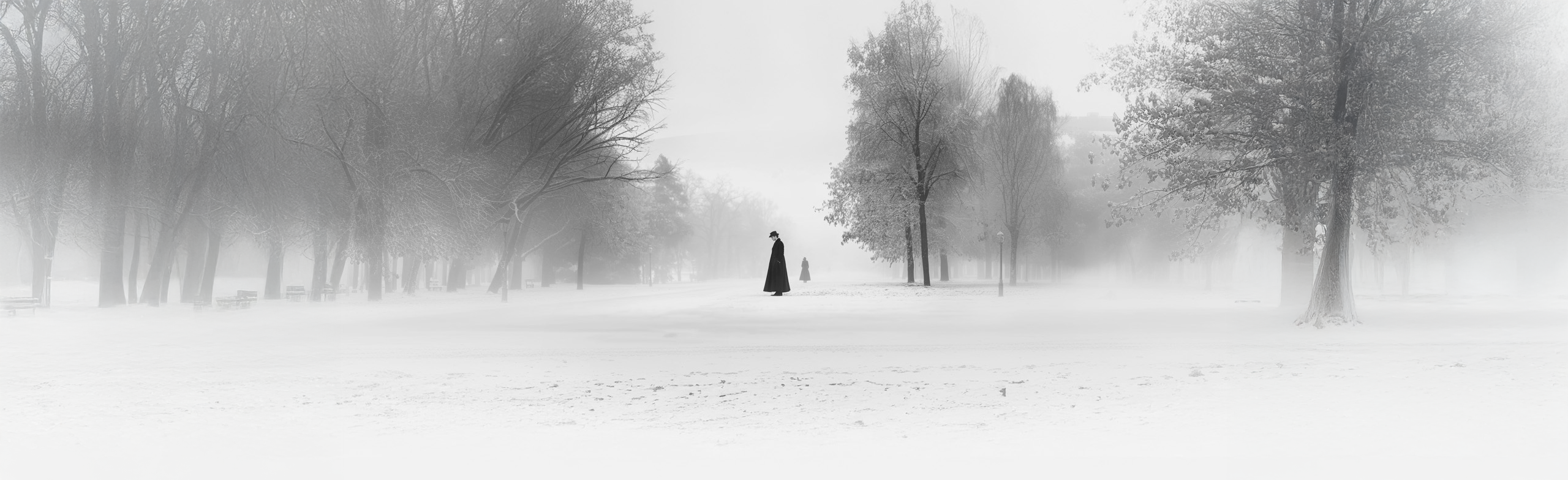
The Same Love, Different Memories
At the end of the 19th century, Montmartre in Paris was alive with artistic fervor. Studios, cafés, and dance halls were always crowded, and music, painting, and literature blended together to shape a new sensibility of the age. Among these stories was that of composer Éric Alfred Leslie Satie (1866–1925) and painter Marie Clémentine Suzanne Valadon (1865–1938)..
Living in poverty and loneliness, Erik Satie’s music was quiet, lyrical, and carried a sense of restraint. He was a young man dreaming of new music, sharing ideas with fellow musicians such as Debussy. In contrast, Suzanne Valadon appeared in the works of Renoir, Degas, and Toulouse-Lautrec, standing at the center of the Parisian art world, and she was the free-spirited muse of her time. Struggling to escape poverty, she took on all kinds of work and lived a strong and daring life.
Suzanne Valadon dancing in a corner of the café, and Erik Satie playing the piano. Their meeting began like this. Their love was short but burned hot. Yet at one moment, Erik Satie began to see in Suzanne Valadon the figure of his mother, and he could no longer continue an ordinary love. Misunderstandings and frustrations grew, and in the end, their relationship did not last more than half a year. But for Erik Satie, Suzanne Valadon was the only woman of his life.
In 1925, when Erik Satie passed away, his friends opened the small room that had long been locked. Inside were countless unsent love letters to Suzanne Valadon, the portrait she had painted of him, the portrait he had drawn of her, and an old photograph. Later these letters and the photo were delivered to Suzanne Valadon, but her response was cold.
For one side, it was kept as the love of a lifetime. For the other, it was let go as nothing more than a moment of the past. The same love, but remembered so differently.
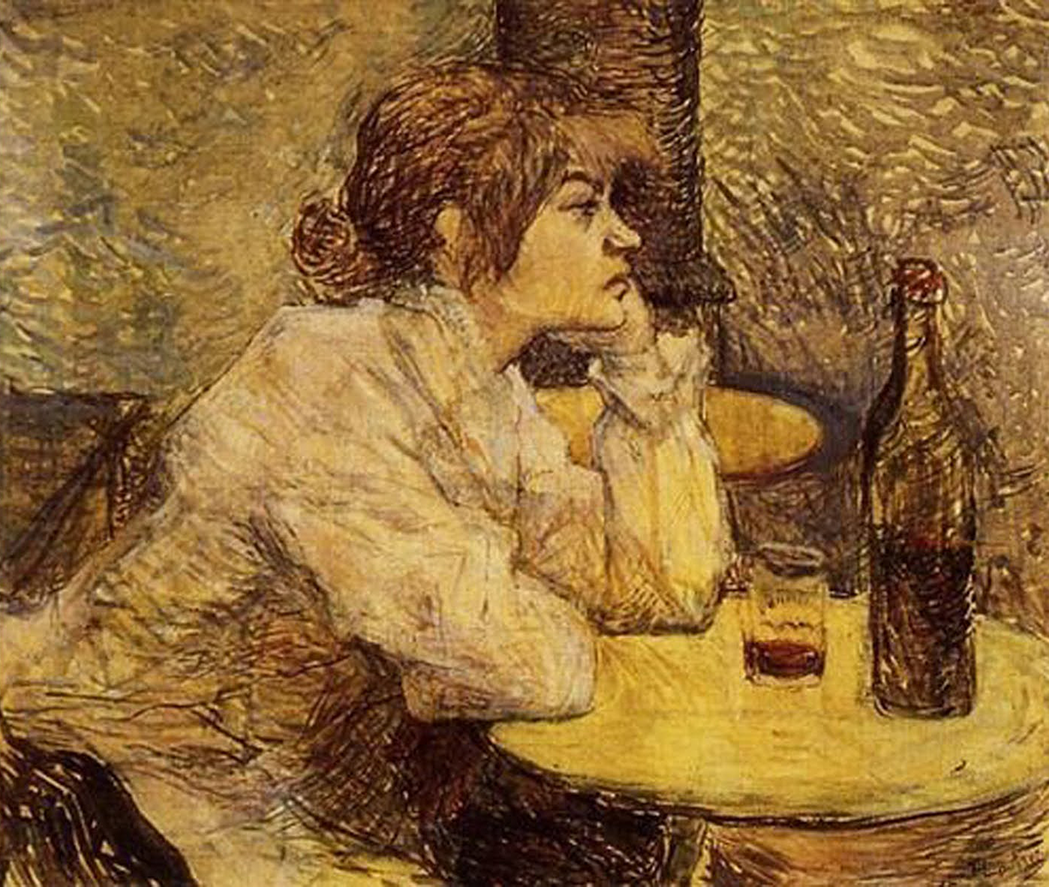
The Hang Over(Suzanne Valadon,1888)
by Henri Toulouse-Lautrec
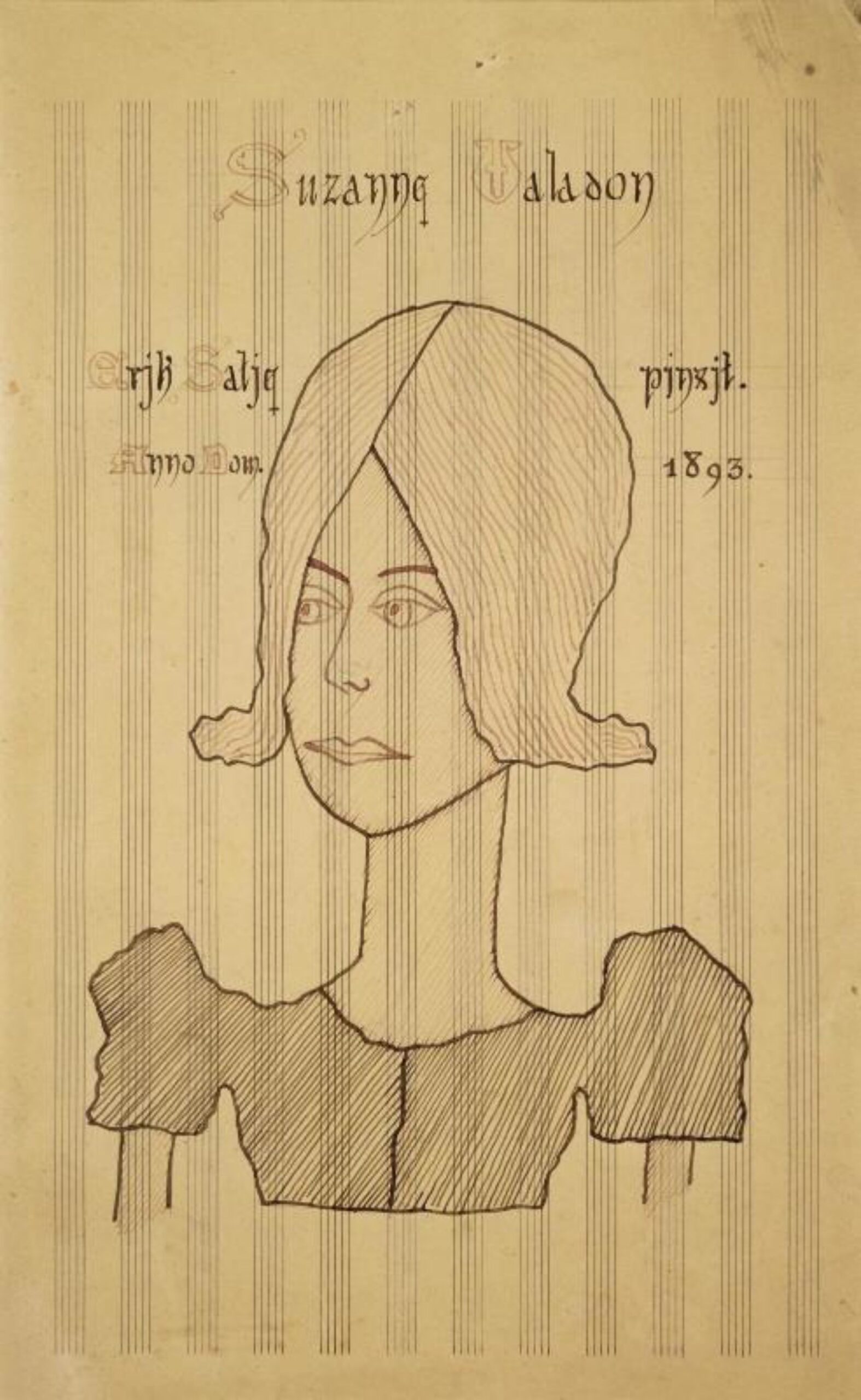
Suzanne Valadon(1893)
by Erick Satie
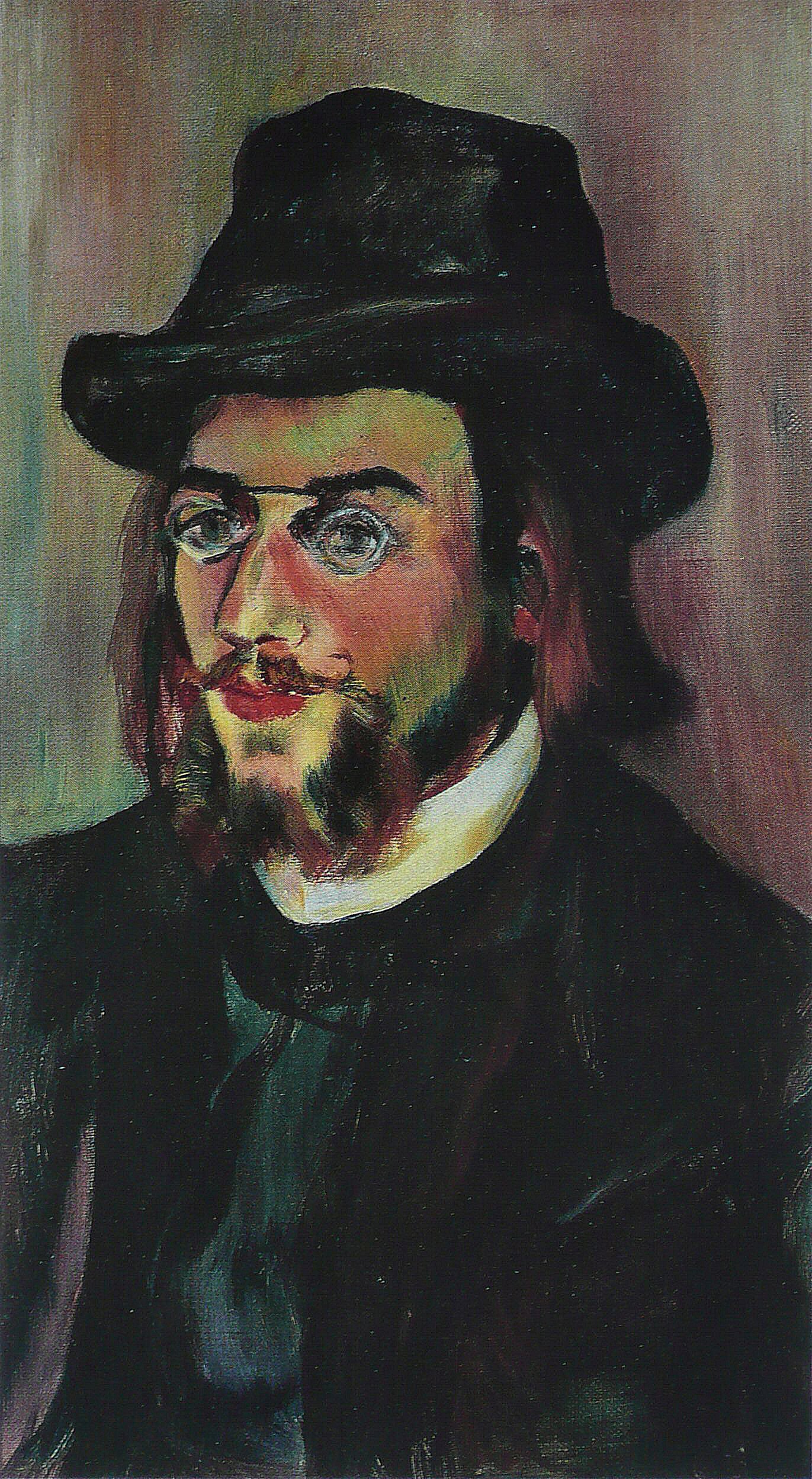
Erick Satie(1893)
by Suzanne Valadong
0 Comments